
Welcome to your ultimate guide on maximizing your garden with raised beds! Whether you’re a seasoned gardener or just starting out, raised beds are a fantastic addition to any garden. They offer numerous benefits, from extending the growing season to improving soil quality and increasing productivity. In this article, we’ll explore the advantages of raised beds, help you choose the right one for your needs, provide tips for siting and filling your raised bed, guide you through planting and tending your garden, and share expert advice for optimal results. Let’s dive in!
Key Takeaways:
- Raised beds offer numerous benefits for gardeners, including extended growing seasons and improved soil quality.
- Choosing the right raised bed involves considering factors such as material, height, and size.
- Siting and filling your raised bed properly is crucial for successful gardening.
- Planting in raised beds requires careful consideration of plant-specific needs.
- Tending your raised bed garden involves consistent watering, weeding, fertilizing, and plant protection measures.
The Advantages of Raised Beds
Raised beds offer several advantages over traditional in-ground beds. Whether you’re a seasoned gardener or just starting out, incorporating raised beds into your garden can greatly enhance your gardening experience. Let’s explore the numerous benefits of using raised beds:
- Faster Soil Warming and Better Drainage
- Easy Soil Amendment
- Healthier Plants and Higher Crop Yields
- Defined Growing Space with Added Protection
- Better Access and Maintenance
Raised beds provide optimal conditions for your plants by warming the soil faster in the spring. The elevated design allows for better drainage, preventing waterlogged roots and promoting healthier plant growth.
One of the greatest advantages of raised beds is the ability to easily amend the soil. You can customize the composition of the soil according to the specific needs of your plants. By adding organic matter such as compost, you can improve soil fertility and create a nutrient-rich environment for your plants to thrive.
The improved soil quality in raised beds leads to healthier and more productive plants. With better drainage and a well-balanced soil composition, your plants can grow strong roots and absorb nutrients more efficiently. This ultimately results in higher crop yields and a bountiful harvest.
Raised beds offer a defined growing space that keeps out weeds, pets, and kids. The elevated design makes it easier to protect your plants from unwanted foot traffic and garden pests. You can also install covers or netting to shield your crops from birds, insects, and harsh weather conditions.
Working with raised beds reduces the strain on your back and knees, making gardening more enjoyable. The raised height allows for comfortable planting, weeding, and harvesting, minimizing the need for bending and kneeling. This accessibility makes gardening a more accessible and enjoyable activity for people of all ages and physical abilities.
With these advantages in mind, it’s clear why raised beds are a popular choice among gardeners. Whether you have limited space, poor soil quality, or simply want to improve your gardening experience, raised beds provide a practical and effective solution. By creating an optimal growing environment, you can cultivate a thriving garden and reap the many rewards of your labor.
“Raised beds provide optimal conditions for your plants, including faster soil warming, better drainage, easy soil amendment, and improved plant health.”
Choosing the Right Raised Bed
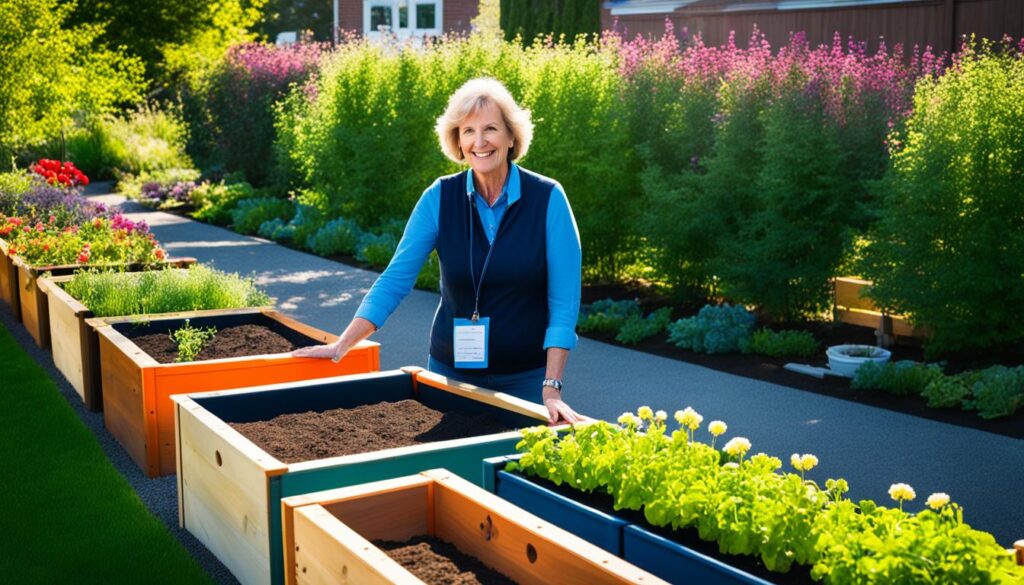
When it comes to selecting a raised bed for your garden, there are several factors to consider. Material, height, and size all play a role in finding the perfect raised bed that fits your needs.
If you’re looking for a variety of options, Gardener’s Supply is the ideal destination. They offer a wide range of raised beds to choose from, including DIY-style options and complete kits. The selection includes raised beds made from different materials such as cedar, composite wood, recycled plastic, and galvanized steel.
If you prefer a raised bed that eliminates the need for bending, elevated options are available for a more comfortable gardening experience.
For a comprehensive and helpful resource, make sure to use the Raised Bed Buying Guide. It will assist you in making an informed decision and selecting the right raised bed that suits your needs.
Possible Table:
| Material | Advantages |
|---|---|
| Cedar | – Naturally rot-resistant – Attractive appearance – Good insulation for plants |
| Composite Wood | – Durable and long-lasting – Resistant to rot and pests – Low maintenance |
| Recycled Plastic | – Highly durable and weather-resistant – Environmentally friendly – Easy to clean and maintain |
| Galvanized Steel | – Strong and sturdy – Resistant to pests and rot – Modern and industrial aesthetic |
Siting and Filling Your Raised Bed
Proper siting and filling are crucial for the success of your raised bed garden. Here’s what you need to know:
Siting Your Raised Bed
When choosing the location for your raised bed, opt for an area that receives approximately 8 hours of sunlight per day. Sunlight is essential for the healthy growth of your plants. It’s also important to avoid wet areas that may lead to waterlogging, as excessive moisture can cause root rot and other issues.
Filling Your Raised Bed
The soil you use to fill your raised bed plays a significant role in providing the right conditions for your plants to thrive. Ideally, you’ll want to create a blend of topsoil and compost to ensure a balance of nutrients and good drainage. This combination will promote healthy root development and support optimal plant growth.
Expert Tip: Consider adding organic matter, such as well-rotted manure or peat moss, to improve soil structure and moisture retention in your raised bed.
The depth of your raised bed will depend on the types of plants you wish to grow. Generally, deeper beds are suitable for deep-rooted crops like carrots and potatoes, while shallower beds are sufficient for herbs and shallow-rooted vegetables.
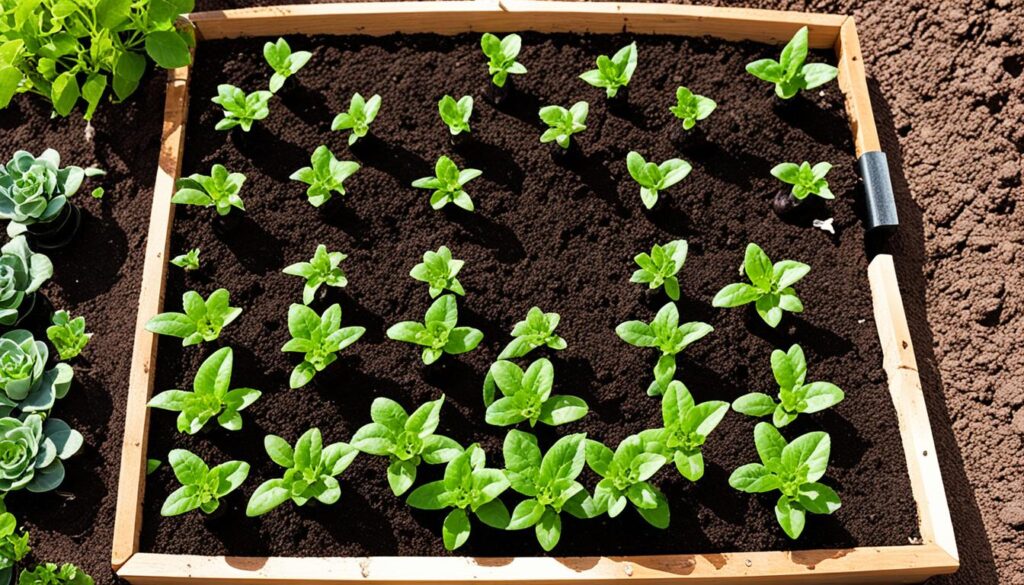
Recommended Depths for Raised Beds
| Type of Plant | Ideal Bed Depth |
|---|---|
| Herbs and shallow-rooted vegetables | 6-8 inches |
| Flowers and small perennials | 8-12 inches |
| Medium-rooted vegetables | 12-18 inches |
| Deep-rooted vegetables | 18-24 inches |
By siting your raised bed in a sunny location and filling it with the right soil blend at the appropriate depth, you’ll provide an optimal growing environment for your plants.
Planting in Raised Beds
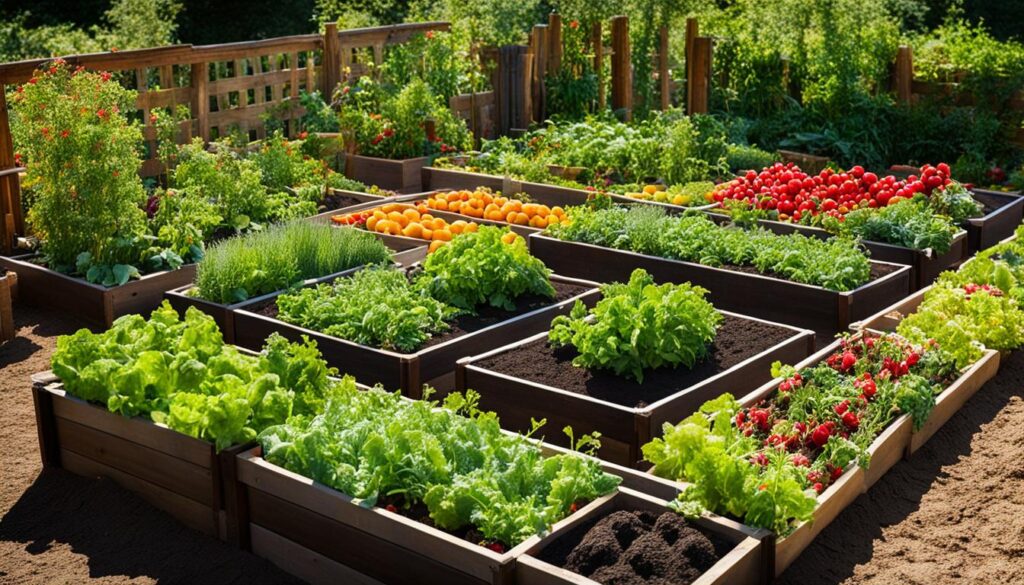
Planting in raised beds is an essential step in creating a successful garden. By understanding the specific needs of your plants and implementing the right techniques, you can ensure optimal growth and maximize your harvest. Here are some tips to help you get started:
- Start with herbs and simpler plants: When planting in raised beds, it’s a good idea to begin with herbs and other plants that are relatively easy to grow and maintain. They are often more forgiving and can help you gain confidence in your gardening skills.
- Research sunlight requirements and necessary amendments: Each plant has specific sunlight requirements and may need certain amendments to thrive. Make sure to research these needs and provide the right conditions for your plants. This may include adjusting the soil pH, adding organic matter, or providing extra nutrients.
- Create an optimal planting scheme: Plan your raised bed layout carefully to ensure that plants with similar needs are grouped together. Consider factors such as height, spacing, and companion planting to optimize space and promote healthy growth.
- Seeding or transplanting: Depending on the plants and your gardening preferences, you can choose to start your plants from seeds or purchase transplants. Seeding allows you to have a wider selection of varieties and may be more cost-effective, while transplanting gives you a head start and can be less time-consuming.
Remember to provide adequate water, monitor for pests and diseases, and maintain a consistent gardening routine. With proper care and attention, your raised bed garden will flourish and reward you with bountiful harvests.
| Plant | Sunlight Requirements | Amendments |
|---|---|---|
| Lettuce | Partial shade | Well-draining soil with added compost |
| Tomatoes | Full sun | Regular watering and well-balanced soil |
| Basil | Full sun | Rich soil with organic matter |
| Carrots | Full sun to partial shade | Loose, sandy soil with good drainage |
| Peppers | Full sun | Well-draining soil with added compost |
Tending Your Raised Bed Garden
Once you have set up your raised bed garden, it’s important to provide the proper care and maintenance to ensure its success. Proper tending of your raised bed will lead to healthier plants, better yields, and a more enjoyable gardening experience. Here are some important tips for tending your raised bed garden:
Consistent Watering
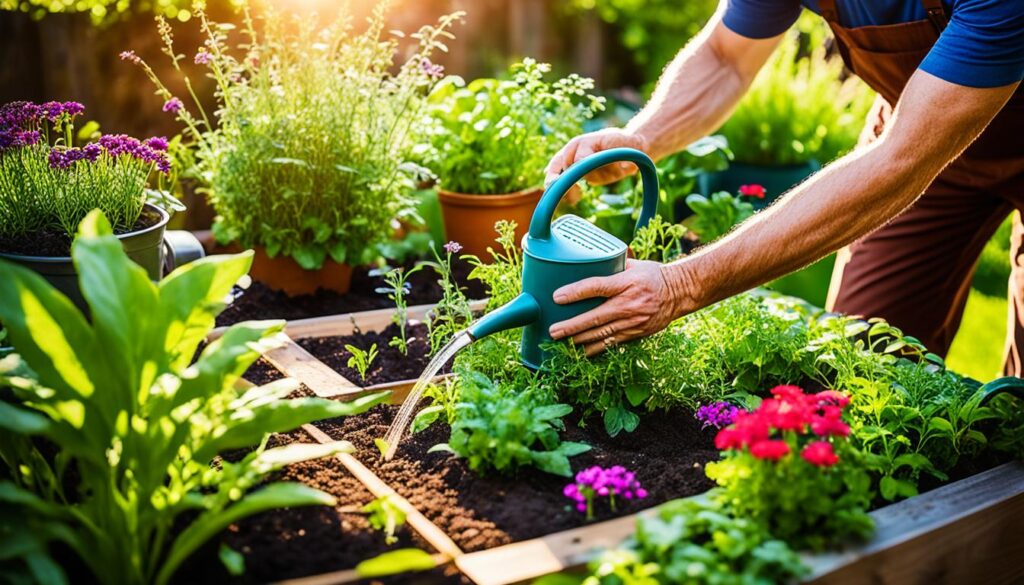
Watering is essential for the growth and development of your plants. Young seedlings require daily watering until they establish deeper roots. As your plants mature, you can reduce the frequency of watering to a few times a week. To conserve water and efficiently deliver moisture to the plants’ roots, consider using a soaker hose or drip irrigation system. This method reduces evaporation and minimizes water waste.
Mulching for Moisture Retention
To maintain adequate moisture in your raised bed garden, apply mulch around your plants. Mulching helps to retain water in the soil, reducing the need for frequent watering. It also helps to suppress weeds, preventing them from competing with your plants for water and nutrients. Choose organic mulch, such as straw or wood chips, and apply it in a layer around the base of your plants.
Regular Weeding and Fertilizing
Weeds compete with your plants for resources and can hinder their growth. Regularly monitor your raised bed garden for weed growth and promptly remove any unwanted plants. Additionally, fertilize your raised bed garden regularly to provide essential nutrients for optimal plant growth. Use organic fertilizers or compost to enrich the soil and promote healthy plant development.
Plant Protection Measures
Protecting your plants from pests and extreme weather conditions is crucial for maintaining a healthy raised bed garden. Consider using row covers or garden fabric to shield your plants from pests while allowing light and moisture to reach them. If necessary, implement additional protection methods like cloches or plant covers to safeguard your plants from frost or intense sunlight.
By consistently tending to your raised bed garden and following these tips, you will create an environment that promotes healthy plant growth and maximizes your gardening success.
Expert Tips for Growing in Raised Beds
Gardening expert Carson Arthur shares valuable advice for growing the best food in raised beds. To help you achieve success, here are some expert tips for growing in raised beds:
- Start with simple plants: Begin your raised bed garden journey with perennial herbs and other simple plants. They are easier to grow and maintain, making them perfect for beginners.
- Understand each plant’s specific needs: Research the sunlight, water, and nutrient requirements of the plants you choose. Understanding their needs will enable you to provide the best care and create an optimal growing environment.
- Plant leafy vegetables in shadier areas: Leafy green vegetables tend to prefer slightly cooler temperatures. To provide them with the right conditions, plant them in shadier areas of your raised bed.
- Use high-quality soil: Starting with good-quality soil is essential to avoid potential soil contamination and ensure optimal plant growth. Invest in organic, nutrient-rich soil to provide a healthy foundation for your plants.
- Track your plantings from year to year: Keep a record of what you plant in your raised beds each year. This will help you track plant performance and make informed decisions about future plantings and soil amendments.
- Implement companion planting strategies: Companion planting involves selecting plant combinations that benefit each other’s growth. By strategically pairing plants, you can enhance crop health, deter pests, and improve overall yield.
- Plant in rows for easier weeding: Organizing your plants in rows simplifies the weeding process. It allows you to easily identify and remove weeds, ensuring they don’t compete with your plants for nutrients and sunlight.
- Choose drought-tolerant plants for patio containers: If you have raised beds on your patio or balcony, opt for drought-tolerant plants. They require less frequent watering, reducing the maintenance demands of your raised bed garden.
“Successful raised bed gardening requires starting with simple plants, understanding their needs, and implementing smart gardening practices. By tracking your plantings, utilizing companion planting, and optimizing your watering strategies, you can create a thriving raised bed garden.” – Carson Arthur
By following these expert tips, you can grow a bountiful and productive raised bed garden. Whether you’re a beginner or an experienced gardener, these strategies will help you maximize the potential of your raised beds.
Take a look at the table below for a quick summary of the expert tips:
Understanding Soil and Plant Needs
The success of your raised bed garden relies on understanding the specific needs of your soil and plants. By providing the right environment and nourishment, you can ensure optimal growth and thriving plants. Here are some key considerations to keep in mind:
1. Soil Composition:
Achieving a well-balanced soil composition is crucial for the health and productivity of your plants. Fill your raised bed with a blend of topsoil and compost, ensuring the proper ratio for optimal plant growth. The combination of these two components provides essential nutrients, while also improving drainage and soil structure.
2. Sunlight Requirements:
Plants have varying levels of sunlight requirements. Some thrive in full sun, while others prefer partial shade. Before selecting and planting your crops, research their specific sunlight needs. Ensure your raised bed is positioned in a location that receives adequate sunlight to meet the requirements of your chosen plants.
3. Watering Needs:
Water is essential for plant growth, but different plants have different watering needs. Some plants, like tomatoes, require consistent moisture, while others, like succulents, prefer drier soil. Research the watering requirements of each plant you intend to grow in your raised bed and adjust your watering schedule accordingly.
4. Nutrient Requirements:
Different plants have varying nutrient needs. Some crops are heavy feeders and require a steady supply of nutrients, while others have modest requirements. Understanding the nutrient needs of your plants will help you determine the appropriate fertilization schedule and the types of soil amendments necessary for their optimal growth.
5. Crop Rotation:
Rotating crops in your raised bed garden is essential for maintaining soil health and preventing the buildup of pests and diseases. Keep track of your plantings from year to year to ensure you rotate your crops effectively. This practice helps replenish soil nutrients and reduces the risk of plant-specific diseases and pests.
6. Companion Planting:
Companion planting is a gardening technique that involves planting compatible crops together. Certain plants have natural affinities that benefit each other when grown in close proximity. For example, planting marigolds near tomatoes can help deter pests. Research companion planting combinations to maximize the productivity of your raised bed garden.
Understanding the specific needs of your soil and plants is crucial for the overall success of your raised bed garden. With proper soil composition, adequate sunlight, appropriate watering, and nutrient management, you will create an environment that promotes healthy growth and abundant harvests.
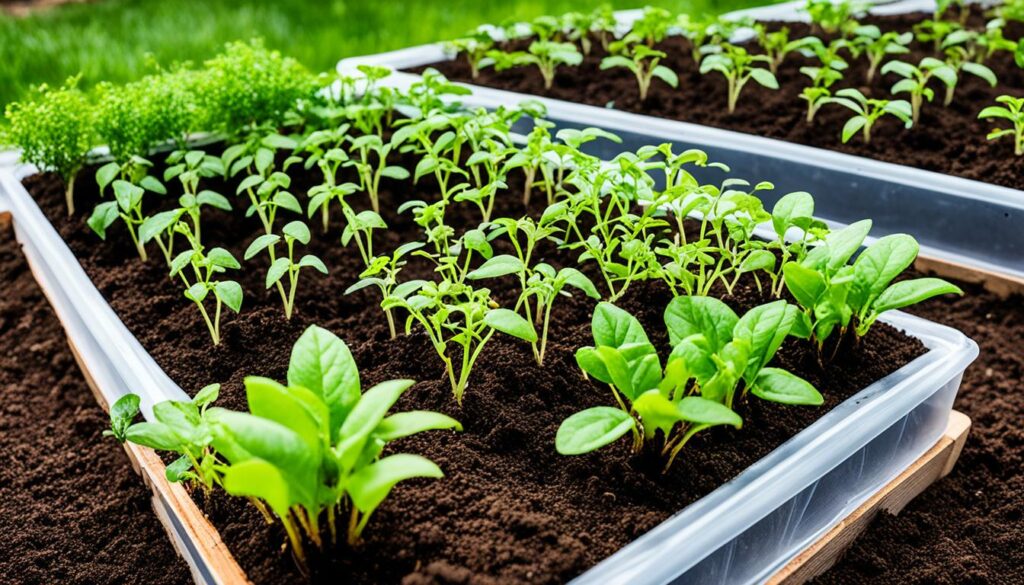
| Plant | Sunlight Requirements | Watering Needs | Nutrient Requirements |
|---|---|---|---|
| Tomatoes | Full sun | Consistent moisture | Regular feeding |
| Lettuce | Partial shade | Regular watering | Modest requirements |
| Peppers | Full sun | Even moisture | Regular feeding |
| Herbs | Full sun to partial shade | Well-drained soil | Minimal requirements |
Pairing Plants for Success
Companion planting is a beneficial gardening practice that involves pairing plants that thrive when planted together while avoiding combinations that hinder growth. By carefully selecting plant combinations, you can create a harmonious and productive raised bed garden.
Plants That Should Not Be Planted Together
Not all plants make good companions in the garden. Some combinations can inhibit growth or attract pests. For example, tomatoes and beans should not be planted together as they both have different soil and nutrient requirements. Planting them together can lead to competition for resources and stunted growth.
Beneficial Plant Pairings
On the other hand, certain plants make excellent companions and can benefit each other’s growth. One popular pairing is onions and tomatoes. Onions act as natural pest deterrents, deterring insect pests that can harm tomatoes. In return, tomatoes provide shade for onions, helping to keep them cool during hot weather. Together, they create a mutually beneficial environment.
Companion Planting Strategies
When choosing plant combinations for your raised bed garden, keep in mind the following companion planting strategies:
- Plant aromatic herbs, like basil or mint, near vegetables to repel pests.
- Interplant flowering plants, such as marigolds or nasturtiums, to attract beneficial insects that prey on garden pests.
- Growing climbing plants, like cucumbers or peas, with vertical supports can provide shade to lower-growing plants.
- Rotate crops each year to prevent the build-up of pests and diseases.
By implementing these strategies and selecting plant combinations that work well together, you can promote healthier growth, increase yields, and protect your raised bed garden from common garden challenges.
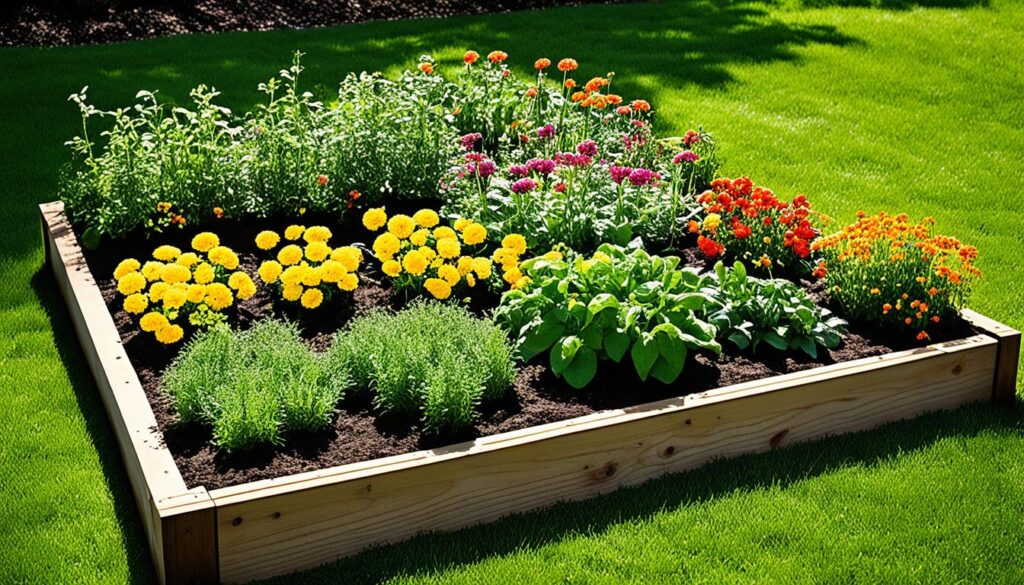
Mulching and Plant Protection
Mulching is a vital practice for maintaining the health and productivity of your raised bed garden. Not only does mulch help conserve moisture, but it also prevents weed growth, ensuring your plants receive the nutrients and protection they need. By using biodegradable mulch materials and implementing plant protection measures, you can create an optimal growing environment for your plants.
Mulching for Moisture Retention
One of the main advantages of mulching in a raised bed garden is its ability to retain moisture. By covering the soil around your plants with mulch, you can significantly reduce water loss through evaporation, especially during hot summer months. This helps maintain the soil moisture at an ideal level, ensuring your plants stay hydrated and healthy.
When choosing mulch materials, opt for biodegradable options like straw, wood chips, or shredded leaves. These materials break down over time, enriching the soil with organic matter and nutrients. Spread a layer of mulch around your plants, leaving a small space near the stems to prevent direct contact and potential rotting.
Consider the specific needs of your plants when mulching. Some plants, like tomatoes, benefit from a thicker layer of mulch to regulate soil temperature and moisture levels, while others may require a thinner layer to allow for better airflow.
Plant Protection Measures
In addition to mulching, plant protection measures are essential for maintaining a healthy raised bed garden. These measures help safeguard your plants from pests, extreme weather conditions, and other potential threats. Here are a few effective plant protection options:
- Row Covers: Use lightweight garden fabric or row covers to protect your plants from insects, birds, and pests. These covers allow sunlight, air, and watering to reach the plants while creating a physical barrier against unwanted visitors.
- Cloches: Cloches are protective coverings typically made of transparent materials like glass or plastic. Place them over young plants to create a mini greenhouse effect, promoting growth and protecting against frost and cold temperatures.
- Companion Planting: Certain plants have natural pest-repellent properties. By strategically planting these companion plants alongside vulnerable crops, you can deter pests naturally. For example, marigolds can repel aphids, while basil can keep mosquitoes away.
By combining mulching and plant protection measures, you can create a resilient and thriving environment in your raised bed garden. These practices help maintain optimal growing conditions, support plant health, and increase overall productivity.
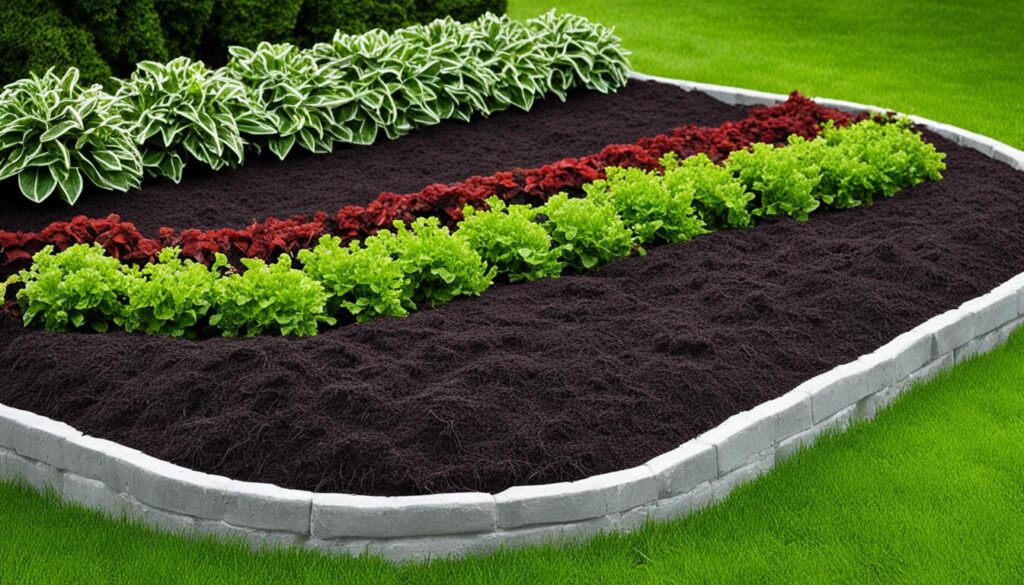
When it comes to mulching and plant protection, a little effort goes a long way. Take the time to mulch your raised bed garden and implement the necessary protective measures for successful and bountiful gardening.
| Mulching Benefits | Plant Protection Measures |
|---|---|
|
|
Conclusion
In conclusion, raised beds provide numerous advantages for gardeners, allowing you to maximize your gardening efforts and create a thriving garden. By carefully selecting the right raised bed, considering its siting and filling, and implementing expert tips and practices, you can successfully grow a variety of plants in your raised bed garden.
Remember to tend to your garden regularly, providing the necessary care and attention that your plants require. Understanding the specific needs of your plants, such as sunlight, water, and nutrients, is crucial for their optimal growth and development. Additionally, utilizing mulching techniques and implementing plant protection measures will help ensure the health and productivity of your raised bed garden.
With these strategies in place, you can enjoy the benefits of a successful raised bed garden, including extended growing seasons, improved soil quality, increased productivity, and easier maintenance. So start building your raised bed garden today and maximize the potential of your garden!
FAQ
What are the advantages of raised beds?
Raised beds offer a longer growing season, improved soil quality, increased productivity, better drainage, weed prevention, easy access, and plant protection.
How do I choose the right raised bed for my garden?
Consider factors such as material, height, and size. Gardener’s Supply offers a variety of raised beds made from cedar, composite wood, recycled plastic, and galvanized steel. Use the Raised Bed Buying Guide to help you make the best choice.
What is the proper way to site and fill a raised bed?
Choose a location with 8 hours of sunlight per day and good drainage. Fill your raised bed with a blend of topsoil and compost for nutrient-rich soil and proper drainage.
How should I plant in raised beds?
Start with herbs and simpler plants, research the specific needs of each plant, and create an optimal planting scheme. Seeding and transplanting are both viable options depending on the plants.
How do I tend to my raised bed garden?
Consistent watering, regular weeding, fertilizing, and plant protection measures, such as using row covers, are necessary for maintaining a healthy raised bed garden.
What are some expert tips for growing in raised beds?
Start with simple plants, understand the specific needs of each plant, track your plantings from year to year, implement companion planting strategies, plant in rows for easier weeding, and choose drought-tolerant plants for patio containers.
What should I know about soil and plant needs in raised beds?
Fill your raised bed with a blend of topsoil and compost, research the sunlight, water, and nutrient requirements of your plants, and keep track of necessary soil amendments for each crop.
How can I pair plants for success in my raised bed garden?
Practice companion planting by selecting plant combinations that thrive together and avoiding combinations that hinder growth.
How do I mulch and protect my plants in raised beds?
Use biodegradable mulch materials to conserve moisture and prevent weed growth. Consider using row covers, garden fabric, or cloches to protect your plants from pests and extreme weather conditions.
How can raised beds maximize my garden?
By providing an optimal gardening environment, raised beds offer numerous benefits such as extended growing seasons, improved soil quality, increased productivity, and easier maintenance.