
Cacti are fascinating plants that can bring a touch of natural beauty to your indoor or outdoor space. Whether you’re new to plant care or have a green thumb, cacti are an excellent choice for beginners. These low-maintenance plants require minimal attention but can make a big impact on your home or garden.
When it comes to cactus care, there are a few key things to keep in mind. Providing the right amount of sunlight, following a proper watering schedule, using the correct soil mix, and handling cacti safely are all essential for their health and growth.
With their unique shapes and sizes, cacti can be a stunning addition to any space. Whether you choose to create a cactus garden, decorate your indoor space with potted cacti, or incorporate cacti into your outdoor landscape, these plants are sure to captivate your attention and delight your guests.
Key Takeaways:
- Choose cacti as low-maintenance plants for your indoor or outdoor space.
- Provide proper sunlight exposure for healthy cactus growth.
- Water cacti only when the top layer of soil is dry to avoid overwatering.
- Use a well-draining soil mix and fertilizers specifically formulated for cacti.
- Handle cacti with care by wearing protective gloves and taking precautions during repotting.
The Benefits of Cactus Care
When it comes to plant care, cacti are the perfect choice for both indoor and outdoor spaces. These low-maintenance plants offer a range of benefits that make them a popular option for plant enthusiasts. Whether you have a busy lifestyle or limited experience in gardening, cacti are a great addition to any home or garden.
Low-Maintenance Nature
One of the main advantages of cacti is their low-maintenance nature. These plants require minimal watering and can survive in dry environments, making them perfect for individuals who may forget to water their plants regularly. With a cactus, you can enjoy a touch of greenery without the hassle of frequent maintenance.
Indoor and Outdoor Versatility
Cacti are a versatile choice for both indoor and outdoor spaces. They can thrive in a variety of environments and conditions, allowing you to enjoy their beauty anywhere in your home or garden. Indoor cacti can be placed near windows with south-facing exposure to ensure they receive enough sunlight. Outdoor cacti can be showcased in sunny patios or garden landscapes.
Unique and Exotic Touch
With their distinct shapes and sizes, cacti add a unique and exotic touch to any space. From the classic tall columnar cacti to the whimsical round-shaped ones, these plants come in a wide variety of forms, allowing you to choose the perfect one for your taste and style. Whether you prefer a small tabletop cactus or a larger statement piece, cacti offer endless possibilities for creative plant decor.
Drought-Tolerant Ability
Cacti are known for their ability to survive long periods without water. They have evolved to thrive in arid regions, where water is scarce. This makes them an excellent choice for individuals who may not have the time or resources for frequent plant care. Whether you have a busy schedule or want to conserve water, cacti are a sustainable and resilient option.
| Benefits of Cactus Care |
|---|
| Low-maintenance nature |
| Indoor and outdoor versatility |
| Unique and exotic touch |
| Drought-tolerant ability |
Proper Sunlight Exposure for Cacti
Proper sunlight exposure is crucial for the health and well-being of your cacti. These resilient plants thrive in direct sunlight and need to be placed in the sunniest corner of your home or garden. Whether you have indoor or outdoor cacti, providing them with adequate sunlight is essential to their growth and overall vitality.
If you have indoor cacti, it’s best to position them near a south-facing window. This will ensure that they receive sufficient sunlight throughout the day. Placing them near a window will allow them to bask in the warm rays of the sun and provide them with the light they need to thrive.
Outdoor cacti can be placed in a sunny patio or yard where they can soak up the sunlight. These plants are well-suited for outdoor spaces as they can tolerate the intense heat and direct sunlight. However, it’s important to protect them from extreme weather conditions, such as heavy rain or frost, which can be detrimental to their health.
Gradual Acclimation to Outdoor Sunlight
When transitioning indoor cacti to the outdoors, it’s essential to acclimate them gradually to prevent sunburn. Start by exposing them to filtered sunlight for a few hours a day and gradually increase their exposure over time. This will allow them to adjust to the intensity of direct sunlight without experiencing any damage.
Keep a close eye on your cacti’s response to sunlight exposure. If you notice any signs of sunburn, such as yellow or brown discoloration, it’s important to move them to a slightly shaded area to cool down. Cacti are resilient, but they can still suffer from sunburn if exposed to excessive sunlight without proper acclimation.
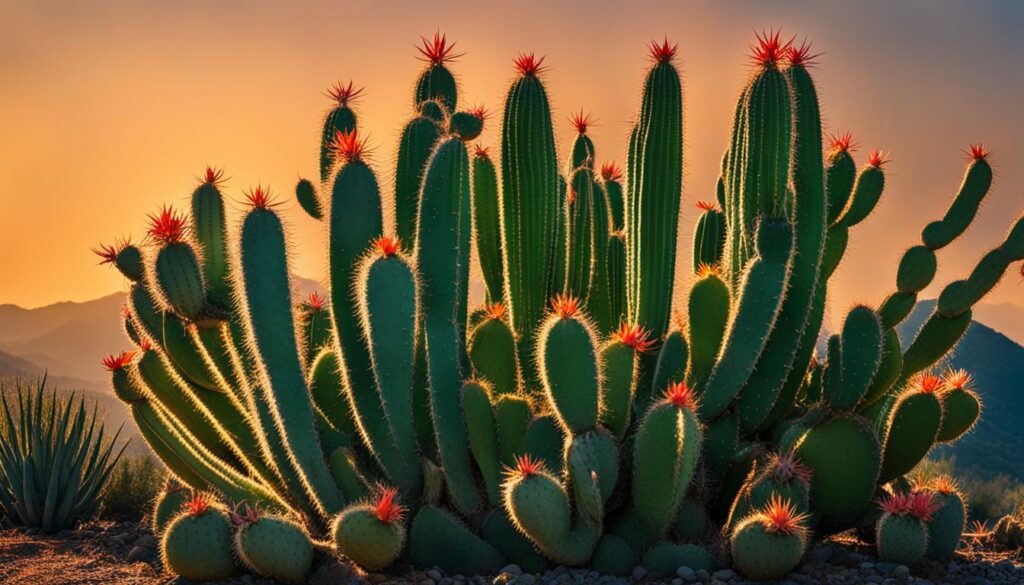
A visually appealing and relevant image showcasing sunlight exposure for cacti.
“Proper sunlight exposure is crucial for the health and well-being of your cacti.”
Ensuring that your cacti receive the right amount of sunlight is key to their overall care and well-being. By providing them with direct sunlight and gradually acclimating them to the outdoors, you can help your cacti thrive and grow beautifully.
Watering Tips for Cacti
When it comes to caring for your cacti, proper watering is essential. These hardy plants are known for their ability to survive with minimal watering due to their unique water retention capabilities. To ensure the health and longevity of your cacti, follow these watering tips:
- Allow the soil to dry completely between waterings: Cacti prefer well-drained soil, so it’s important to let the top layer of the soil dry out completely before watering again. Insert your finger into the soil to check for moisture. If it feels dry up to about an inch deep, it’s time to water.
- Water cacti planted in well-drained soil every 10 to 14 days during summer: During the summer months when cacti are actively growing, water them every 10 to 14 days. This frequency may vary depending on the specific needs of your cactus and the climate in your area. Be sure to adjust your watering schedule accordingly.
- Soak-watering for dry cacti: If you notice your cactus looking wrinkled, it’s a sign that it is extremely dry and in need of a thorough soak-watering. Place the pot in a basin of water and allow it to soak for about 30 minutes. This will ensure that the roots are properly hydrated.
- Remove excess water: After watering, be sure to remove any excess water that has collected in the saucer or pot. Standing water can lead to root rot, which can be detrimental to the health of your cactus. Allow the pot to drain properly before placing it back in its designated spot.
- Water infrequently during winter: During the dormant period in winter, cacti require much less water. Cut back on watering to prevent overwatering, which could cause root rot. Only water your cactus when the soil is completely dry.
By following these watering tips, you’ll provide your cacti with the proper hydration they need to thrive. Remember, it’s always better to underwater than to overwater your cacti. Now that you know how to water your cacti, let’s move on to the next section to learn about the best soil mix and fertilizers for these fascinating plants.
Soil Mix and Fertilizer for Cacti
Proper soil mix and fertilizers play a crucial role in the healthy growth of cacti. These desert plants require well-draining soil to prevent excessive moisture retention and root rot. A soil mix that consists of 70% inorganic material, such as perlite or pumice, and 30% organic potting soil is recommended. This combination allows for proper aeration and prevents waterlogging, ensuring that your cacti thrive.
Cacti are adapted to survive in nutrient-poor environments, but they still need some extra nutrition to thrive. Using fertilizers specifically formulated for cacti or succulents is the best way to provide them with the necessary nutrients. These specialized fertilizers contain the ideal balance of nutrients and micronutrients, tailored to the needs of cacti.
It is recommended to fertilize your cacti twice a year. Apply the fertilizer once during the spring and once during the summer. Dilute the fertilizer according to the directions on the bottle and apply it to damp soil after watering. This ensures that the nutrients are absorbed effectively. Avoid over-fertilizing, as this can lead to nutrient burn and damage the plants.
Fertilizing Tips:
- Choose a fertilizer specifically designed for cacti or succulents.
- Follow the dilution instructions on the fertilizer bottle to avoid over-fertilization.
- Apply the fertilizer to damp soil after watering.
- Avoid fertilizing during the winter months when cacti are in their dormant phase.
Proper soil mix and fertilizer application are essential components of cactus care. By providing your cacti with the right growing medium and optimal nutrition, you can ensure their healthy growth and longevity.
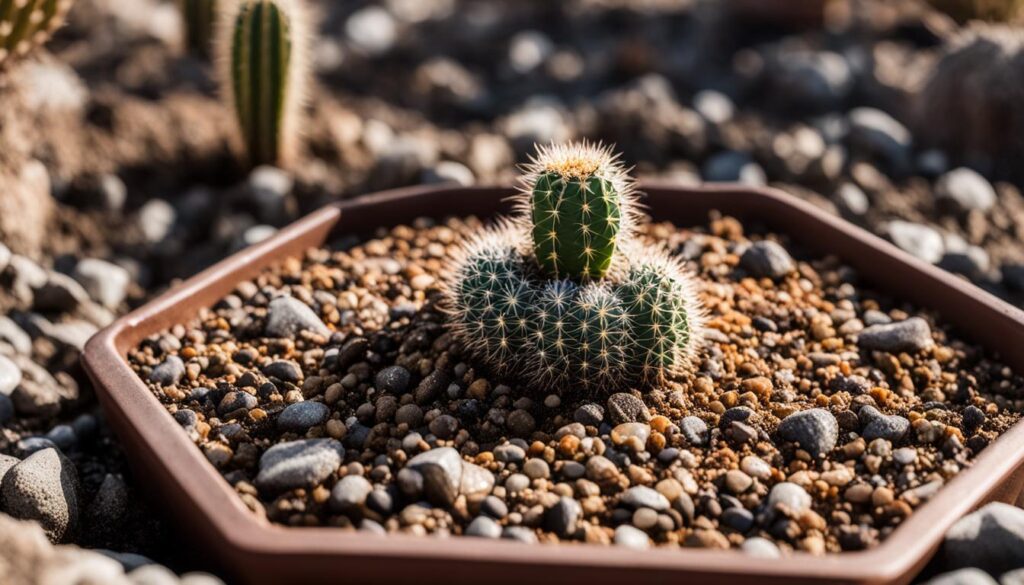
Popular Cactus Varieties for Beginners
If you’re new to cactus care, there are several popular cactus varieties that are perfect for beginners. These cacti are not only stunning but also relatively easy to care for, making them an excellent choice for those just starting their cactus journey.
Prickly Pear Cactus
The Prickly Pear Cactus is a playful and beginner-friendly plant that thrives in full, direct sunlight. It features flat, paddle-shaped stems and vibrant flowers that bloom in various colors. With proper care, this cactus can grow to impressive sizes and become a focal point in any garden.
Barrel Cactus
The Barrel Cactus is another great option for beginners. It grows slowly but can reach impressive heights when given the right care. This cactus features a unique cylindrical shape and beautiful ribbed grooves. It is known for its resilience and ability to survive in harsh, desert-like environments.
Golden Barrel Cactus
The Golden Barrel Cactus is a visually striking plant with its round shape and golden spines. It is a slow-growing cactus that adds a touch of elegance to any space. This variety is highly tolerant of neglect and requires minimal watering, making it ideal for beginners.
By choosing these popular cactus varieties, beginners can enjoy the beauty of these unique plants while learning how to care for them properly. Remember to provide them with the right amount of sunlight, water sparingly, and use well-draining soil for optimal growth.
Handling and Repotting Cacti Safely
When it comes to caring for your cacti, proper handling and repotting techniques are crucial. These practices not only ensure the safety of both you and your plants but also contribute to their overall health and longevity.
1. Wear Protective Gear: When handling cacti, it’s essential to protect yourself from their spines. Always wear thick gloves made specifically for gardening to reduce the risk of getting pricked. Additionally, consider using kitchen tongs or tweezers to handle smaller cacti for added safety.
2. Provide Extra Protection: Repotting or pruning cacti can be tricky due to their sharp spines. To avoid injury, wrap the cactus in newspaper or a towel to create a cushioning barrier between your hands and the spines. You can also use carpet or rug scraps to hold the cactus securely while repotting.
3. Allergies and Sensitivities: If you have allergies or sensitivities to cacti, it’s important to avoid direct contact with them. You can delegate the handling and repotting tasks to someone else or take extra precautions such as wearing a dust mask and long sleeves to minimize the risk of an allergic reaction.
4. Repotting Guidance: When repotting your cactus, it’s crucial to use a well-draining soil mix to prevent waterlogged roots. A suitable soil mix for cacti includes a combination of perlite, pumice, or coarse sand to ensure proper drainage. Additionally, ensure that the new pot is larger enough to accommodate the roots and provide ample room for growth.
5. Be Mindful of Timing: While repotting a cactus, timing is key. Spring is generally the best time to repot cacti as they enter their growth phase. Avoid repotting during the winter months when cacti are dormant as they may be more vulnerable to transplant shock.
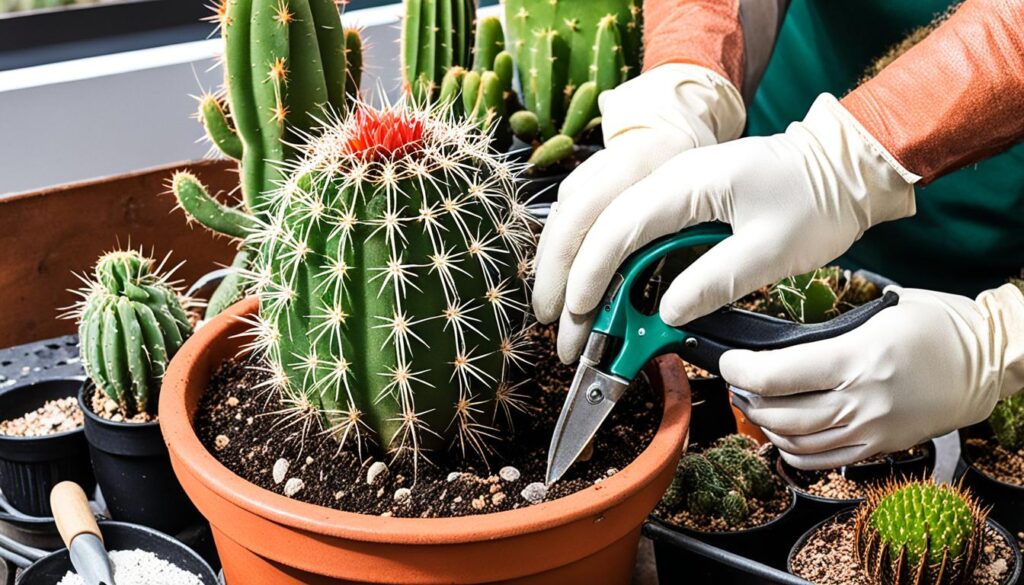
Properly handling and repotting cacti not only protects you from unpleasant encounters with their spines but also ensures the well-being and prosperity of your beloved plants. By following these guidelines, you can ensure a safe and successful cactus care journey.
Tips for Reviving a Dying Cactus
If your cactus is showing signs of distress, such as rot or wilting, don’t panic. With the right care, you can revive your dying cactus and restore its health. Here are some tips to help you bring your cactus back to life:
1. Remove affected parts and adjust the care routine
If you notice any rot or wilting on your cactus, it’s important to take immediate action. Carefully remove the affected parts using clean, sterilized pruning shears. Make clean cuts above the healthy tissue to prevent further spread of the problem. Once you have removed the damaged parts, reassess the care routine for your cactus and make adjustments as necessary.
2. Provide proper sun exposure
Cacti thrive in bright, direct sunlight, but too much sun can cause sunburn. Find a balance by placing your cactus in an area where it can receive adequate sunlight without being exposed to intense heat. If you notice signs of sunburn, move your cactus to a spot with partial shade and gradually increase its exposure to sunlight over time.
3. Adjust the watering schedule
Overwatering is a common cause of cactus distress. Ensure that you are not giving your cactus too much water as it may lead to root rot. Allow the top layer of the soil to dry out completely before watering again. In winter months, reduce the frequency of watering as cacti tend to go dormant during this period.
4. Use a low-nitrogen fertilizer
Fertilizing your cactus can provide it with the essential nutrients it needs to recover. However, avoid using fertilizers high in nitrogen as they can promote excessive growth, which may further stress a struggling cactus. Opt for a balanced, low-nitrogen fertilizer specifically formulated for cacti. Follow the instructions on the packaging for proper application.
5. Keep your cactus free from pests, dirt, and dust
Regularly inspect your cactus for signs of pests such as mealybugs or spider mites. If you spot any, take appropriate measures to eliminate them using organic insecticides or by manually removing them. Additionally, keep your cactus clean by gently wiping off any dirt or dust that may have accumulated on its surface. This will help promote healthy growth and prevent potential issues.
By following these tips, you can give your dying cactus a fighting chance at recovery. Remember to be patient and provide consistent care, observing any changes in its condition. With proper attention and care, your cactus may surprise you with its resilience and bounce back to life.
Cacti for Indoor and Outdoor Spaces
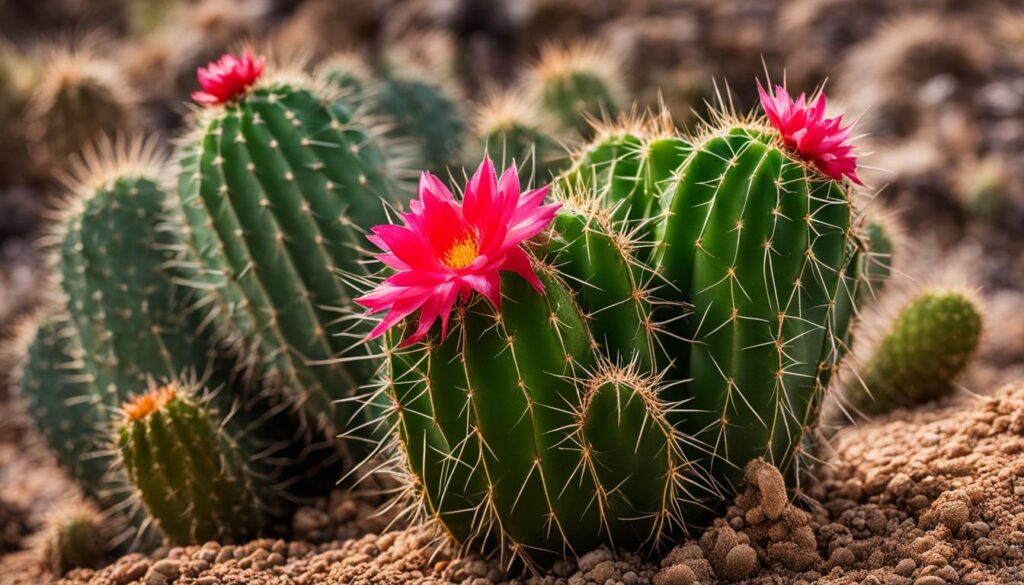
Cacti are versatile plants that can thrive in both indoor and outdoor spaces, adding a unique touch of greenery to any environment. Whether you want to enhance the aesthetics of your living room or create a stunning cactus garden in your backyard, there are cacti varieties suitable for every space.
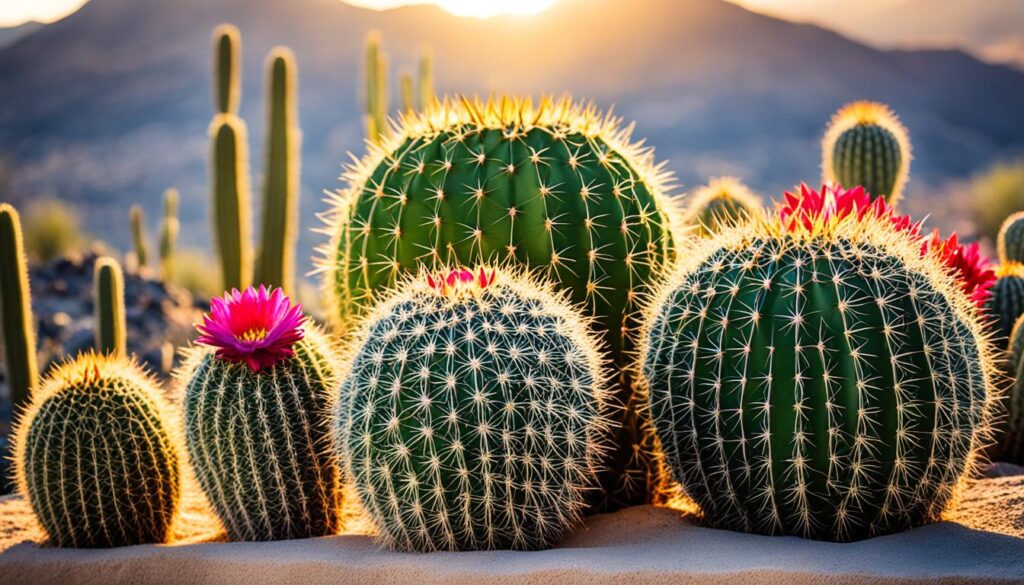
For indoor cacti, it’s important to place them near windows with south-facing exposure to ensure they receive sufficient sunlight. The golden rays of the sun are essential for the photosynthesis process and overall growth of your indoor cacti. South-facing windows provide the ideal amount of sunlight throughout the day.
If you have limited natural light in your home, you can supplement the sunlight with artificial grow lights. There are various types of grow lights available, such as fluorescent and LED lights, that can provide the necessary light spectrum for your indoor cacti to thrive.
When it comes to outdoor cacti, they can be placed in sunny patios or yards. These spaces allow your cacti to receive ample direct sunlight, which is crucial for their growth and overall well-being. Outdoor cacti can create a stunning display, especially when planted in clusters or combined with other drought-tolerant plants.
However, it’s important to protect your outdoor cacti from extreme weather conditions during the winter months. Freezing temperatures and excessive moisture can be detrimental to cacti, leading to rot and other issues. Consider covering your outdoor cacti with blankets or moving them to a sheltered area during harsh winter weather.
Cacti can adapt well to both indoor and outdoor environments, but it’s important to provide them with the right conditions for optimal growth. By understanding the specific needs of your cacti and finding the perfect spot for them, you can create a beautiful and thriving cactus oasis in your home or garden.
| Indoor Cacti | Outdoor Cacti |
|---|---|
| Placed near windows with south-facing exposure | Placed in sunny patios or yards |
| Supplement with artificial grow lights if necessary | Protect from extreme weather conditions during winter |
| Provide well-draining soil and occasional fertilization | Create visually stunning displays with other drought-tolerant plants |
Conclusion
Cacti are the perfect choice for beginners seeking low-maintenance plants that bring a touch of exotic beauty to their homes or gardens. By following proper cactus care tips such as providing adequate sunlight, watering infrequently, using well-draining soil mix and fertilizers, handling cacti safely, and reviving dying cacti, you can successfully nurture and enjoy these unique plants.
With their resilient nature and wide variety of shapes and sizes, cacti are an ideal choice for those looking to cultivate their green thumb. These low-maintenance plants require minimal watering and can survive in dry environments, making them an excellent option for individuals with busy schedules or limited time for plant care.
Add a touch of charm and elegance to your indoor or outdoor spaces with cacti. Choose from popular varieties such as prickly pear, barrel cactus, or golden barrel cactus, each offering their own unique aesthetics. With proper cactus care, you can ensure their healthy growth and witness their beauty flourish in your space.
FAQ
How often do I need to water my cactus?
It’s important to let the top layer of the cactus’s soil dry completely between watering. During the summer months, cacti in well-drained soil should be watered every 10 to 14 days. If you notice wrinkles on your cactus, it means it is very dry and requires a soak-watering. After watering, make sure to remove any excess water from the saucer to prevent rot. In winter months, cacti should be watered infrequently as they usually go dormant during this period.
What type of soil is best for cacti?
Cacti require well-draining soil that includes more sand and rocks to prevent excessive moisture retention and root rot. A soil mix of 70% inorganic material such as perlite or pumice and 30% organic potting soil is recommended.
How much sunlight does a cactus need?
Cacti thrive in direct sunlight and should be placed in the sunniest corner of your home or garden. Indoor cacti should be positioned near a south-facing window to ensure they receive enough sunlight. Outdoor cacti can be placed in a sunny patio or yard. It’s important to gradually acclimate indoor cacti to the outdoors by providing filtered sunlight at first and gradually increasing their exposure.
What are some popular cactus varieties for beginners?
Prickly pear cactus, barrel cactus, and golden barrel cactus are popular cactus varieties for beginners. Prickly pear cactus is a playful and easy-to-care-for plant that thrives in full, direct sunlight. Barrel cactus grows slowly but can reach impressive heights when properly cared for. Golden barrel cactus is known for its round shape and golden spines.
How do I handle and repot cacti safely?
When handling cacti, it’s important to wear protective gloves to avoid getting pricked by their spines. Kitchen tongs can also be used for added safety. When repotting or pruning cacti, wrapping them in newspaper or a towel can provide extra protection. Carpet or rug scraps can be helpful in handling cacti as well. It’s essential to avoid contact with cacti if you have allergies. When repotting cacti, it’s important to use a well-draining soil mix and ensure that the new pot is larger enough to accommodate the roots.
How can I revive a dying cactus?
If your cactus is showing signs of distress, such as rot or wilting, it’s important to remove the affected parts and adjust its care routine. Providing proper sun exposure, adjusting the watering schedule, and using a low-nitrogen fertilizer can help revive a dying cactus. Keeping the cactus free from pests, dirt, and dust is also crucial for its health.
Can cacti be grown indoors and outdoors?
Yes, cacti can thrive in both indoor and outdoor spaces. Indoor cacti should be placed near windows with south-facing exposure to receive sufficient sunlight. Outdoor cacti can be placed in sunny patios or yards. It’s important to protect outdoor cacti from extreme weather conditions during winter months.