
Starting an indoor herb garden is a wonderful way to elevate your culinary creations and infuse your home with delightful aromas and vibrant colors. By growing herbs indoors, you can enjoy a continuous supply of fresh flavors, regardless of the season. In this article, we will guide you through the process of setting up and maintaining your own indoor herb garden, ensuring a bountiful harvest of herbs that will enhance your dishes and brighten your living space.
Key Takeaways:
- Starting an indoor herb garden provides a year-round supply of fresh herbs for your cooking needs.
- Indoor herb gardens contribute to a pleasant indoor environment by adding beauty, fragrance, and improving air quality.
- Choose herbs based on your culinary preferences and consider using a herb garden kit for convenience.
- Create the ideal growing conditions by providing sufficient sunlight, proper watering, and regular fertilization.
- Plant herbs from seeds, cuttings, or purchase young plants, and provide individual containers for each herb.
Benefits of an Indoor Herb Garden
Growing an indoor herb garden offers several benefits. Firstly, it allows you to have fresh herbs readily available for cooking without the need to constantly purchase them from the grocery store. Additionally, indoor herbs can be grown year-round, even in spaces where outdoor gardening is not possible. Indoor herb gardens also add beauty and fragrance to your home, contributing to a pleasant indoor environment. Moreover, plants, including herbs, have been shown to improve air quality by removing toxins and increasing oxygen levels. Lastly, caring for indoor plants has been linked to reduced stress and improved mental well-being.
Having an indoor herb garden provides you with a convenient and sustainable way to enhance the flavors of your dishes. Instead of relying on store-bought herbs that can often be expensive and wilt quickly, you can simply harvest fresh herbs from your indoor garden whenever you need them. This not only saves you money but also ensures that you always have the freshest ingredients at your fingertips.
Indoor herb gardening offers the advantage of year-round cultivation. Whether you live in a cold climate with long winters or an apartment with limited outdoor space, you can still enjoy the benefits of gardening by growing herbs indoors. By creating a suitable microclimate inside your home, you can provide the herbs with the optimal growing conditions they need to thrive.
Furthermore, indoor herb gardens contribute to the aesthetics and ambiance of your living space. The vibrant greenery and pleasant aroma of fresh herbs create a welcoming and refreshing atmosphere. It’s like having a piece of nature indoors, adding a touch of natural beauty to your home.
“Indoor herb gardens not only provide fresh flavors but also offer a range of health benefits. Plants, including herbs, have the remarkable ability to purify the air by removing toxins and releasing oxygen. This can enhance air quality, reduce the risk of respiratory issues, and promote a healthier indoor environment.”
Studies have shown that indoor plants can improve air quality by removing common pollutants such as benzene, formaldehyde, and trichloroethylene from the air. This purification process helps to create a healthier living environment, particularly in urban areas with limited access to fresh air. Additionally, the presence of plants indoors has been linked to improved mood, reduced stress levels, and increased overall well-being.
To summarize, an indoor herb garden brings numerous benefits to your home. It provides a sustainable source of fresh herbs, regardless of the weather or space constraints. It adds beauty and fragrance to your living environment while improving air quality. Moreover, caring for indoor plants can positively impact your mental health by reducing stress and promoting a sense of well-being. Start your own indoor herb garden today and experience the joys of gardening indoors.
Benefits of an Indoor Herb Garden:
| Benefits | Description |
|---|---|
| Convenience | Have fresh herbs readily available for cooking without constant grocery store visits |
| Year-round gardening | Grow herbs indoors regardless of climate or outdoor space limitations |
| Aesthetics | Add beauty and fragrance to your home, creating a pleasant ambiance |
| Air purification | Improve indoor air quality by removing toxins and releasing oxygen |
| Mental well-being | Reduce stress and promote a positive mood through indoor plant care |
Selecting Herbs for Indoor Gardening
When it comes to indoor gardening, selecting the right herbs is key to a successful and thriving herb garden. Consider the herbs that you frequently use in your cooking, as they will provide you with the freshest and most flavorful ingredients for your dishes. Here are some of the best herbs for indoor gardening:
- Basil: This versatile herb is a must-have for any indoor herb garden. It adds a fresh and vibrant flavor to pasta dishes, pizzas, salads, and more.
- Chives: Known for their mild onion-like flavor, chives are perfect for garnishing dishes or adding a subtle taste to soups, omelets, and sauces.
- Dill: With its feathery leaves and distinct taste, dill is a fantastic addition to fish dishes, pickles, and creamy sauces.
- Parsley: This herb is a staple in many cuisines and adds a bright and herbaceous flavor to a variety of dishes, including soups, salads, and sauces.
- Cilantro: If you enjoy Mexican, Asian, or Middle Eastern cuisine, cilantro is a must-have herb. It adds a fresh and citrusy flavor to salsas, curries, and stir-fries.
In addition to these common herbs, there are also perennial herbs that can be grown indoors, providing you with fresh flavors all year round. Consider including these perennial herbs in your indoor herb garden:
- Rosemary
- Thyme
- Oregano
These herbs are hardy and can withstand indoor conditions, making them excellent choices for your indoor herb garden.
Ultimately, the best herbs for indoor gardening are the ones that align with your personal preferences and culinary interests. Think about the flavors and scents that you enjoy the most, and select herbs accordingly.
If you’re a beginner or prefer a convenient option, you may consider purchasing a herb garden kit. These kits come with pre-selected herbs and all the necessary supplies for indoor gardening, making the process even easier for you. They are a great way to get started with indoor herb gardening and ensure success right from the beginning.
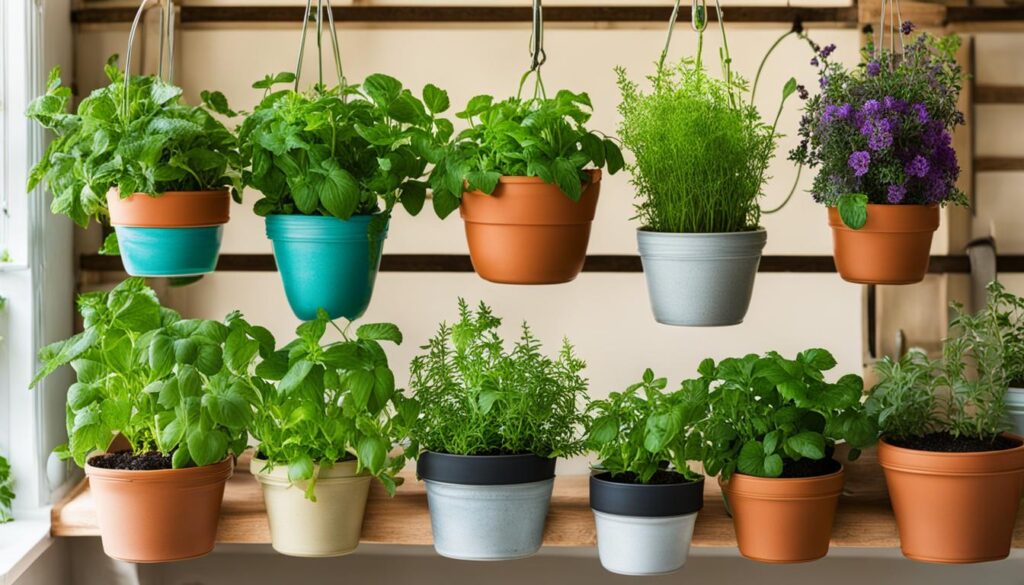
Take a look at the image below for inspiration on selecting herbs for your indoor garden:
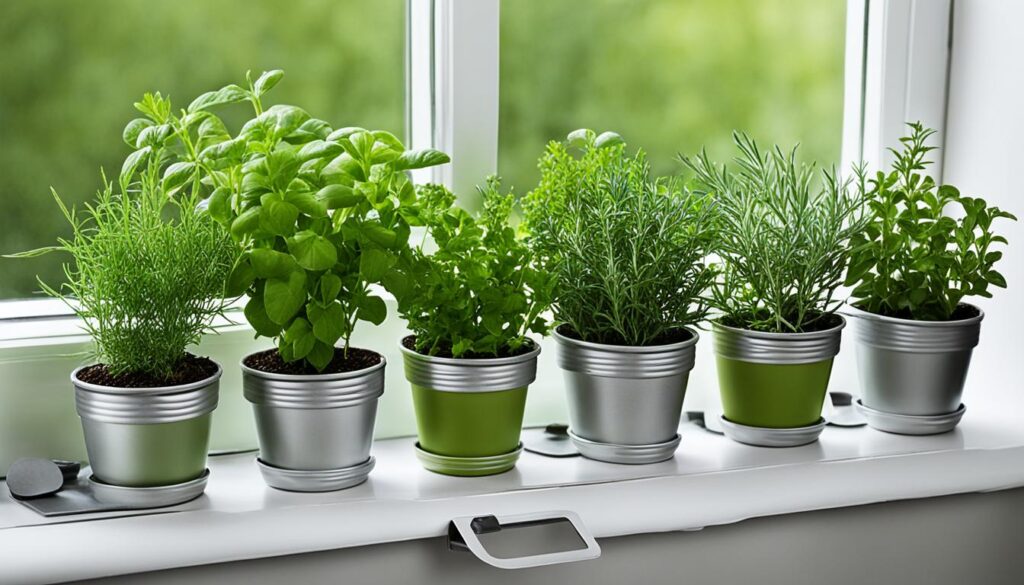
With the right selection of herbs, your indoor herb garden will not only provide you with fresh ingredients but also add beauty and freshness to your home.
Creating the Ideal Growing Conditions
Indoor herbs require the right growing conditions to thrive. To ensure the success of your indoor herb garden, here are some tips:
1. Provide Adequate Light
Most herbs need at least 6 hours of sunlight a day to grow well. If you don’t have access to a south-facing window, you can use supplemental lighting, such as LED grow lights, to provide the required amount of light. Place the lights a few inches above the herbs and keep them on for 12-16 hours a day.
2. Watering and Drainage
Different herbs have varying water needs. Some herbs prefer slightly moist soil, while others thrive in drier conditions. To determine when to water your herbs, let the soil surface dry out before watering. Avoid overwatering, as it can lead to root rot. Ensure that the pots have proper drainage to prevent waterlogging.
3. Fertilization
Fertilize your indoor herbs once a week during the summer months to promote healthy growth. Use a diluted general-purpose water-soluble fertilizer according to the manufacturer’s instructions. Avoid overfertilization, as it can negatively affect the flavor of the herbs.
4. Maintaining Even Growth
Rotate your herb plants every few weeks to ensure even growth and prevent one-sided development. This will help the herbs receive an equal amount of light from all sides, resulting in balanced and healthy plants.
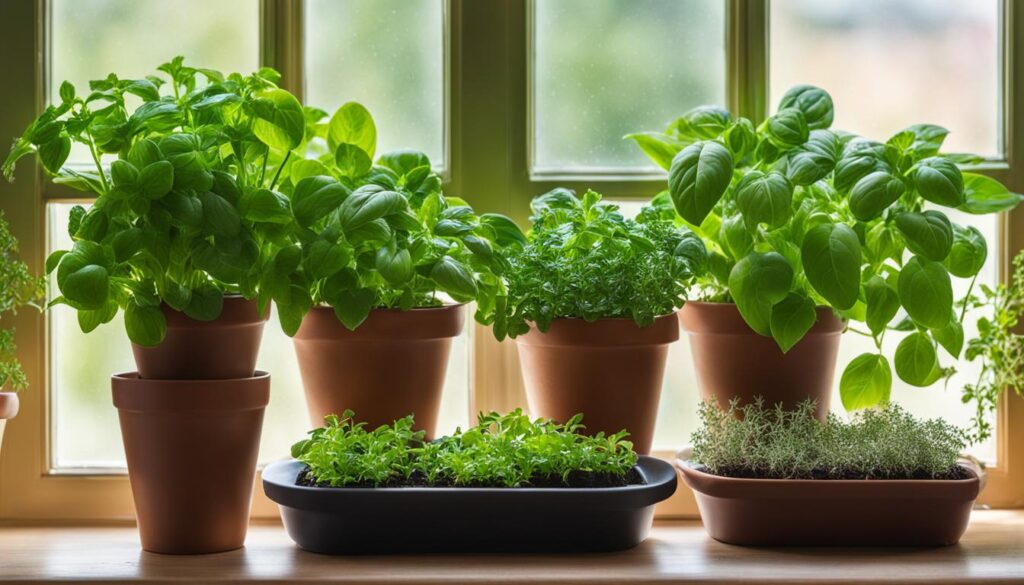
Ideal Growing Conditions for Common Indoor Herbs
| Herb | Light Requirements | Watering Needs | Fertilization |
|---|---|---|---|
| Basil | 6-8 hours of direct sunlight or 12-16 hours of supplemental lighting | Moist soil | Fertilize once a week during the growing season |
| Chives | 4-6 hours of direct sunlight or 8-12 hours of supplemental lighting | Moist soil | Fertilize every 2 weeks during the growing season |
| Rosemary | 6-8 hours of direct sunlight or 12-16 hours of supplemental lighting | Drier soil | Fertilize once a month during the growing season |
Creating the ideal growing conditions for your indoor herb garden will ensure that your herbs thrive and provide you with fresh flavors throughout the year.
Planting and Propagating Indoor Herbs
Now that you’ve decided to start your own indoor herb garden, it’s time to get your hands dirty and start planting! There are a few different methods you can use to grow your herbs, whether it’s starting from young plants, seeds, or cuttings. Let’s explore each option and learn some tips for successful propagation.
1. Purchasing Young Plants
If you want to get a head start on your indoor herb garden, you can purchase young herb plants from a local garden center or even a grocery store. This is a convenient option as the plants are already established and ready to be potted. Simply choose the herbs you want and transfer them into containers with proper drainage holes.
2. Growing Herbs from Seeds
Starting your herbs from seeds allows you to experience the full journey of plant growth, from germination to maturity. You can find a wide variety of herb seeds at your local garden center or order them online. Follow the instructions on the seed packets for sowing depth and spacing, and provide the seeds with the recommended light and temperature conditions. As they grow, transfer the seedlings into individual pots.
3. Propagating Herbs from Cuttings
Another way to expand your indoor herb garden is by propagating herbs from cuttings. This method involves taking a stem or leaf cutting from an established plant and encouraging it to develop root systems. The process differs slightly between herb varieties, but in general, you will want to trim a healthy portion of the plant, remove lower leaves, and place the cutting in water or a rooting hormone to stimulate root growth. Once the roots have developed, you can transfer the cutting into a pot with well-draining soil.
Regardless of the method you choose, it’s crucial to use containers with proper drainage holes. This allows excess water to escape, preventing water accumulation that can lead to root rot. Opt for a well-draining potting medium, such as a mix of potting soil and sand or pea gravel, to promote healthy root development.
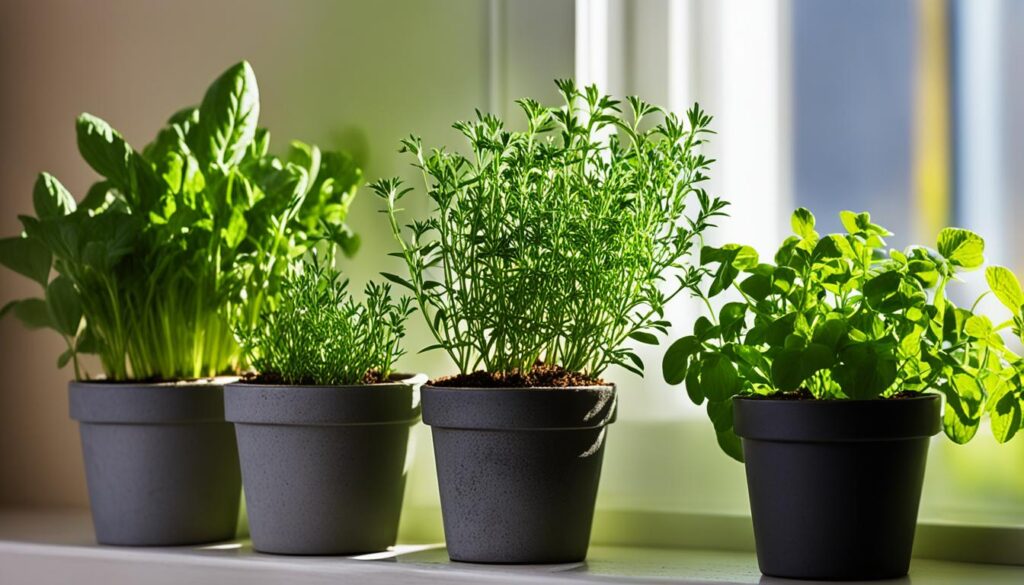
When potting multiple herbs, pay attention to their individual requirements, such as sunlight, water, and temperature preferences. Some herbs may thrive in similar conditions, allowing you to group them together, while others may have specific needs and require their own containers. By tailoring the growing environment to each herb, you maximize their chances of success and ensure optimal growth and flavor.
Caring for Indoor Herbs
Proper care is essential for the success of your indoor herb garden. By following these indoor herb garden tips and ideas, you can ensure that your herbs stay healthy and productive. Remember, well-cared-for herbs lead to flavorful dishes and a beautiful home environment.
- Monitor Soil Moisture: Regularly check the moisture level of the soil and water your herbs when the surface feels dry. Avoid overwatering the herbs as it can lead to root rot and other diseases. Ensure that the pots have proper drainage to prevent waterlogging.
- Trim Herbs Regularly: To encourage bushiness and increase productivity, trim your herbs regularly. Pruning also helps maintain the shape and size of the plants. Use clean shears or scissors to prevent the spread of diseases.
- Harvest with Care: When harvesting your herbs, ensure that they have reached at least 6 inches in height. Take care not to remove more than one-third of the plant at a time, as it can stress the herbs and affect their growth.
- Adjust Fertilization Schedule: Depending on the growth rate of your herbs, adjust the fertilization schedule accordingly. Overfeeding the herbs can compromise their flavor and overall health. Use a balanced, water-soluble fertilizer and follow the instructions provided.
- Rotate Herbs Periodically: Rotate your herb pots periodically to ensure even light distribution and prevent one-sided growth. This practice helps the herbs receive equal sunlight exposure and encourages uniform growth.
Quote:
“Caring for your indoor herbs isn’t just about keeping them alive – it’s about fostering their growth and maximizing their flavor potential. With proper care and attention, your indoor herb garden can flourish and provide you with an abundance of fresh flavors all year-round.”
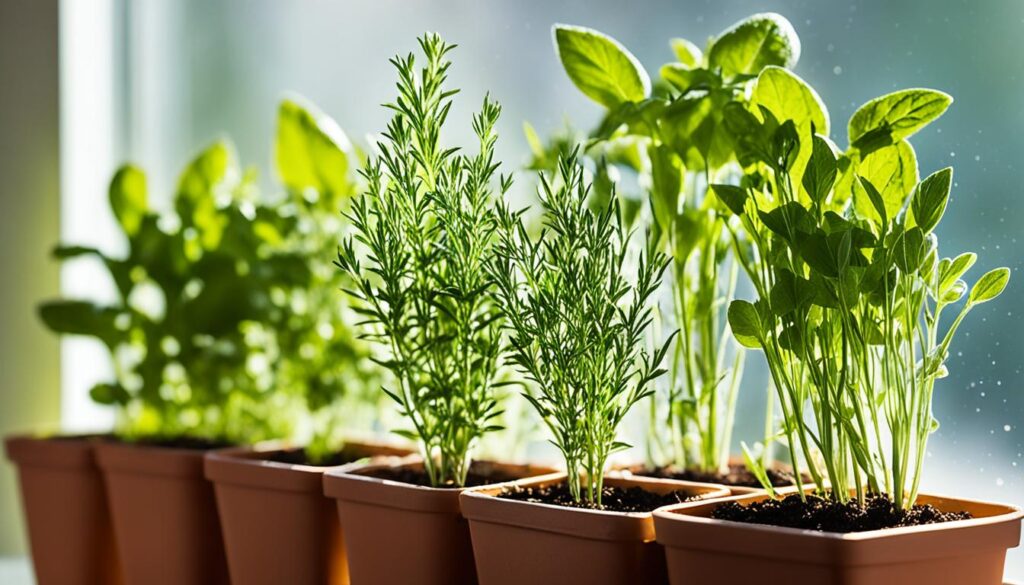
By following these indoor herb garden tips and ideas, you can enjoy the full benefits of growing herbs indoors. Remember to monitor the soil moisture, trim the herbs, harvest with care, adjust the fertilization schedule, and rotate the herb pots. With a little love and attention, your indoor herb garden will thrive, bringing you joy and culinary delights.
| Indoor Herb Garden Care Checklist |
|---|
| Monitor soil moisture and water accordingly. |
| Trim herbs regularly to encourage bushiness. |
| Harvest herbs when they reach 6 inches in height. |
| Adjust fertilization schedule based on herb growth rate. |
| Rotate herb pots periodically for even light distribution. |
Choosing the Right Containers
When it comes to setting up your indoor herb garden, selecting the right containers is crucial for the health and growth of your herbs. Consider these tips to ensure the best conditions for your herbs to thrive.
Drainage and Size
Choose containers that have good drainage to prevent water accumulation and potential root rot. Additionally, each herb has its own space requirements, so opt for pots that are appropriately sized for the specific herb’s root system. This allows the plants to establish healthy roots and grow effectively.
Materials and Breathability
There are various materials you can choose from, such as plastic, glazed ceramics, or terra-cotta pots. However, for indoor herb gardens, terra-cotta pots are highly recommended. Not only do they provide aesthetic appeal, but they also allow for breathability, which helps prevent excessive moisture retention that can lead to fungal diseases.
Potting Soil and Moisture Control
Use well-draining potting soil, particularly a mix designed for cacti and succulents, to ensure proper root health and moisture control. This type of soil composition allows for adequate water drainage, preventing overwatering and root rot. It also helps maintain optimal moisture levels, promoting healthy growth.
Repotting
Monitor the growth of your herbs and look out for roots growing out of the drainage holes or when the herbs have outgrown their containers. When you observe these signs, it’s time to repot the herbs into larger containers to accommodate their growth and ensure their well-being.
By choosing the right containers for your indoor herb garden, you provide the optimal environment for your herbs to flourish. Consider their drainage, size, materials, and potting soil to create the best conditions for your indoor gardening success.
| DRAINAGE AND SIZE | MATERIALS AND BREATHABILITY | POTTING SOIL AND MOISTURE CONTROL | REPOTTING |
|---|---|---|---|
| Choose containers with good drainage and appropriate sizes for each herb to prevent water accumulation and promote healthy root growth. | Opt for terra-cotta pots that allow breathability, preventing excessive moisture retention and reducing the risk of fungal diseases. | Use well-draining potting soil, such as a mix designed for cacti and succulents, to ensure optimal root health and moisture control. | Repot the herbs when you see roots growing out of the drainage holes or when they have outgrown their current containers to support continued growth and development. |
Tips for Successful Indoor Herb Gardening
To ensure the success of your indoor herb garden, consider the following tips:
- Avoid placing the herbs near drafty windows or areas with extreme temperature fluctuations.
- Provide sufficient light by placing the herbs near a sunny window or using supplemental lighting.
- Monitor the humidity levels, especially during winter, and use methods like placing pots on pebble-filled trays to increase humidity.
- Use a balanced, water-soluble fertilizer to provide nutrients to the herbs during the growing season.
- Maintain good air circulation around the herbs to prevent diseases.
- Regularly clean and turn the pots to maintain the health and appearance of the herbs.
By following these tips, you can create an ideal environment for your indoor herb garden and ensure that your herbs thrive throughout the year.
| Humidity | Lighting | Fertilizer | Air Circulation |
|---|---|---|---|
| Monitor humidity levels and use methods to increase humidity, especially during winter. | Provide sufficient light by placing herbs near a sunny window or using supplemental lighting. | Use a balanced, water-soluble fertilizer to provide nutrients during the growing season. | Maintain good air circulation to prevent diseases. |
Remember, each herb has its own specific needs, so it’s important to research and understand the requirements of each herb you’re growing.

Conclusion
Growing an indoor herb garden provides you with the opportunity to enjoy the fresh taste and delightful aroma of herbs all year round. Not only does it enhance the flavors of your home-cooked meals, but it also adds beauty and fragrance to your living space. By creating the right growing conditions, selecting suitable herbs, and practicing proper care, you can cultivate a successful indoor herb garden that brings joy and flavor to your culinary adventures.
Experimenting with different herbs and recipes allows you to fully explore the benefits and possibilities of indoor herb gardening. Whether you’re a seasoned cook or a beginner in the kitchen, having fresh herbs readily available will undoubtedly elevate your cooking game. Imagine adding a sprig of basil to your homemade tomato sauce or garnishing your favorite roast chicken with a touch of rosemary from your own garden. With your own indoor herb garden, the possibilities are endless.
Start your indoor herb garden today and experience the satisfaction of growing your own fresh flavors. With a little dedication and care, you can enjoy the convenience and taste of fresh herbs at your fingertips. So, roll up your sleeves, gather your gardening tools, and embark on this exciting journey of growing herbs indoors. Your taste buds and dishes will thank you!
FAQ
What are the benefits of growing herbs indoors?
Growing herbs indoors allows you to have a continuous supply of fresh herbs, enhances the flavor of your dishes, and brings fragrance and color into your home. Indoor herbs also contribute to a healthy and happy living space by improving air quality and reducing stress.
Which herbs are suitable for indoor gardening?
Common herbs such as basil, chives, dill, parsley, and cilantro are suitable for indoor gardening. Perennial herbs like rosemary, thyme, and oregano can also be grown indoors. Choose herbs that you frequently use in your cooking and enjoy the flavors and scents of.
Can I use a herb garden kit for indoor gardening?
Yes, if you are a beginner or prefer convenience, you can purchase a herb garden kit that contains pre-selected herbs and all the necessary supplies for indoor gardening. Herb garden kits make it easy to start your indoor herb garden.
What are the ideal growing conditions for indoor herbs?
Most herbs need at least 6 hours of sunlight a day. Place them by a south-facing window or use supplemental lighting, such as LED grow lights. Different herbs have varying water needs, so let the soil surface dry out before watering. Ensure that the pots have proper drainage and fertilize the herbs once a week during the summer months.
How do I plant and propagate indoor herbs?
You can purchase young plants from a garden center or grow herbs from seed or cuttings. Use containers with drainage holes and a well-draining potting medium. Pay attention to the individual requirements of each herb, such as sunlight, water, and temperature preferences, and provide them with their own containers or group herbs with similar needs.
How do I care for indoor herbs?
Monitor the soil moisture and water the herbs when the soil surface feels dry. Avoid overwatering and ensure proper drainage. Trim the herbs regularly to encourage bushiness and productivity. Harvest the herbs when they have reached at least 6 inches in height. Adjust the fertilization schedule based on the growth rate of the herbs and rotate them periodically for even light distribution.
What containers should I use for indoor herb gardening?
Choose containers with good drainage and the appropriate size for each herb. Terra-cotta pots are recommended as they allow for breathability and prevent excessive moisture retention. Use well-draining potting soil, particularly a mix designed for cacti and succulents, and consider repotting when the herbs outgrow their current containers.
What are some tips for successful indoor herb gardening?
Avoid placing the herbs near drafty windows or areas with extreme temperature fluctuations. Provide sufficient light by placing the herbs near a sunny window or using supplemental lighting. Monitor the humidity levels and use methods like pebble-filled trays to increase humidity. Use a balanced, water-soluble fertilizer and maintain good air circulation around the herbs. Regularly clean and turn the pots to maintain the health and appearance of the herbs.
How can I start my own indoor herb garden?
Start your indoor herb garden by selecting the herbs you enjoy, providing the right growing conditions, and following proper care practices. Experiment with different herbs and recipes to fully explore the benefits and possibilities of indoor herb gardening.